
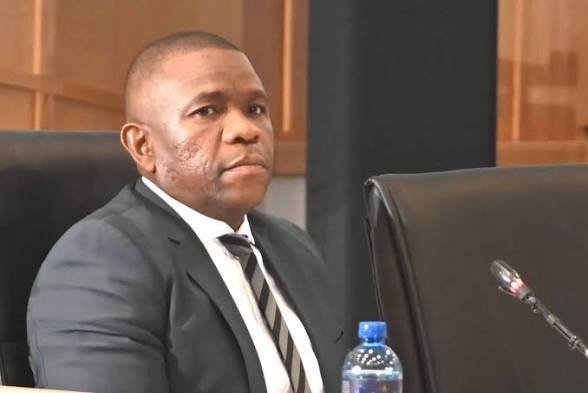
The Legal Practice Council (LPC) has formally demanded that KwaZulu-Natal Police Commissioner Lieutenant-General Nhlanhla Mkhwanazi hand over evidence to back up his recent explosive claims regarding corrupt lawyers.
The move follows Mkhwanazi’s recent address to parliament where he alleged that organised crime syndicates are actively funding legal practitioners to protect suspects.
During his briefing to the Police Portfolio Committee, the provincial commissioner questioned how unemployed youth managed to secure high ranking advocates who charge tens of thousands of rands per hour. He went on to suggest that criminal syndicates are bypassing ordinary banking channels by funneling illicit cash directly into legal trust accounts to evade detection by state authorities.
Mkhwanazi further warned that this deep-seated corruption extends beyond defence attorneys, infiltrating the police, prosecution service, and magistrates.
In response to the public outcry, the legal regulator confirmed it has written to the police chief to request names and supporting files.
The council noted that while it takes these widespread allegations seriously, it cannot initiate disciplinary procedures based solely on media reports or political speeches. To begin a formal probe, the regulatory body requires specific details that link named practitioners to the alleged criminal activities.
The council oversees more than forty three thousand active legal practitioners across South Africa and processes thousands of complaints annually. While it removes dozens of dishonest lawyers from the roll every year, the body emphasized that it needs direct cooperation from law enforcement to root out syndicates operating within the justice system.
The regulator urged Mkhwanazi to lodge a formal complaint so that structural investigations into professional misconduct can officially get underway without compromising any ongoing criminal investigations.