
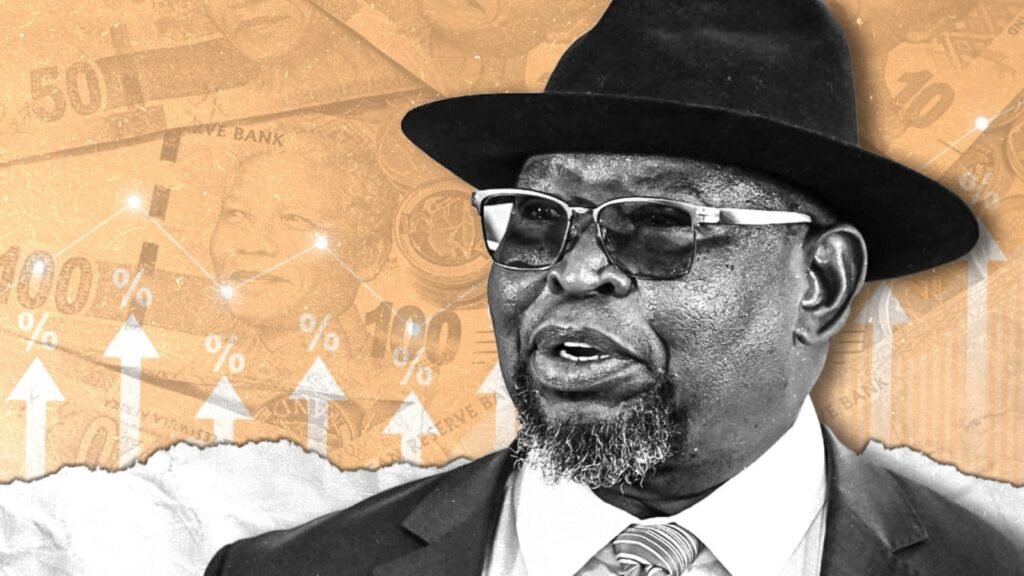
The South African national government has officially secured a $1 billion loan from the Shanghai-based New Development Bank. The deal is part of a high-stakes, international rescue mission to save the country’s largest urban hubs from severe infrastructure failure.
Finalised by Finance Minister Enoch Godongwana on 15 September 2026, the R16.3 billion capital influx targets the nation’s eight metropolitan municipalities. This includes economic nerve centers like Johannesburg, Cape Town, and Pretoria (City of Tshwane).
For global observers, the loan highlights a unique structural crisis. South Africa is the most developed economy on the African continent, yet its major cities are crippled by daily utility failures. Decades of neglected maintenance, municipal mismanagement, and localized political instability have left urban water networks bursting, electricity substations collapsing, and refuse collection systems halted. The latest data from South Africa’s independent Auditor-General reveals that water leaks and electricity transmission failures alone cost these local governments a staggering R36 billion in a single financial year.
To prevent total municipal collapse, the central government is implementing the Metro Trading Services Reform Programme. The new loan is heavily conditional and performance-based. In a departure from typical sovereign borrowing, the money will not be handed directly to local city councils as a blank check. Instead, the national government will convert the loan into performance-tied fiscal grants distributed through the Metro Trading Service Grant mechanism. To access portions of the R16.3 billion, individual cities must first meet strict, independently verified benchmarks in water treatment compliance, electrical grid updates, and waste management efficiency.
This transaction marks the final piece of South Africa’s $3.2 billion foreign currency borrowing requirementfor the 2026/2027 fiscal year. Over the past few months, the country has heavily tapped global lenders, securing R24.7 billion from the World Bank and hundreds of millions more from European development banks to reform its failing state monopolies in electricity and rail transport.
South African finance officials defend this heavy reliance on multilateral lenders, noting that these developmental institutions offer much lower interest rates and flexible, multi-year grace periods that protect the immediate national budget from high repayment pressures.
The rapid influx of international debt has ignited fierce domestic pushback from trade unions and economic analysts who fear a long-term debt trap. South Africa’s gross national debt is rapidly climbing toward a projected R6.3 trillion, putting its debt to GDP ratio at an all-time high of 77.3 percent.
The state currently burns through roughly R1 billion every day just to pay off the interest on its existing debt, a reality critics argue will choke public spending if these new, conditional infrastructure investments fail to trigger an immediate wave of urban economic growth.