
By: Saneliso Mlambo
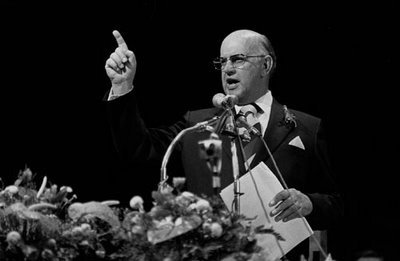
On this day in 1989, P.W. Botha announced his resignation as South Africa’s State President after holding the reins of the apartheid government for approximately 11 years. At a caucus meeting on 14 August 1989, Botha was forced by the Cabinet to resign. His announcement followed a bitter power struggle with National Party leader F.W. de Klerk. Botha’s departure marked a major leadership change during apartheid’s final years.
The immediate dispute centred on de Klerk’s planned meeting with Zambian President Kenneth Kaunda. Botha opposed the meeting and viewed de Klerk’s actions as a challenge to his authority. The dispute exposed growing divisions within the ruling National Party.
Botha had dominated South African politics for more than a decade. He became Prime Minister in 1978 before becoming State President in 1984. His government faced growing resistance, international isolation and increasing demands for political reform.
Botha formally left office on 15 August 1989, when de Klerk became Acting State President. De Klerk later became permanent State President and began introducing significant political reforms. His government subsequently opened the way for negotiations with previously banned political organisations.
On 2 February 1990, de Klerk announced the unbanning of the ANC and other political organisations. He also announced Nelson Mandela’s release after 27 years in prison. These decisions helped launch negotiations that eventually ended apartheid and led to South Africa’s first democratic elections in 1994.